Table of Contents
- Fire Damage Restoration in Fort Smith, Arkansas: Rapid Help When You Need It
- Our Multi-Stage Fire Restoration Process, Step by Step
- Why Fort Smith’s Unique Factors Matter for Fire Restoration
- Understanding Fire Restoration and Smoke Remediation Costs
- Fire Damage Restoration Timeline: What to Expect
- Frequently Asked Questions About Fire Damage Restoration
- Heal Your Home and Move Forward
Fire Damage Restoration in Fort Smith, Arkansas: Rapid Help When You Need It
Fire damage restoration in Fort Smith, AR is a structured, multi-stage process that returns a property to its pre-loss condition by addressing soot, smoke, water damage, and structural harm. Early professional intervention prevents permanent damage from acidic soot, which can cause metal corrosion and electrical short circuits within hours, and from water used to extinguish the fire, which can lead to mold growth within 48 hours. Industry-standard documentation, such as detailed loss scopes, also supports full insurance claim settlements by providing clear evidence of required work.
The family-owned team at 1312 Restoration, made up of certified technicians, proudly serves the communities of Fort Smith, AR and surrounding areas of Oklahoma and Arkansas with rapid, 24/7 emergency fire damage restoration services. We take the lead with your insurance company, including Allstate, State Farm, and USAA, to ease the claims burden while we secure your property. The restoration journey includes several critical stages, each performed with precision and care.
Key Takeaways
- Our process begins with emergency board-up and tarping to secure the property.
- While systematic, the restoration process must be flexible enough to adapt to conditions specific to Fort Smith.
- Local conditions impact costs and insurance coverage, the composition of soot (acidic or otherwise), and the scope of mitigation efforts.
- The timeline for fire damage restoration is highly dependent on the insurance claims process.
- After a fire, soot and water damage require complete restoration and rebuilding.
Our Multi-Stage Fire Restoration Process, Step by Step
Our process begins with emergency board-up and tarping to secure the property.
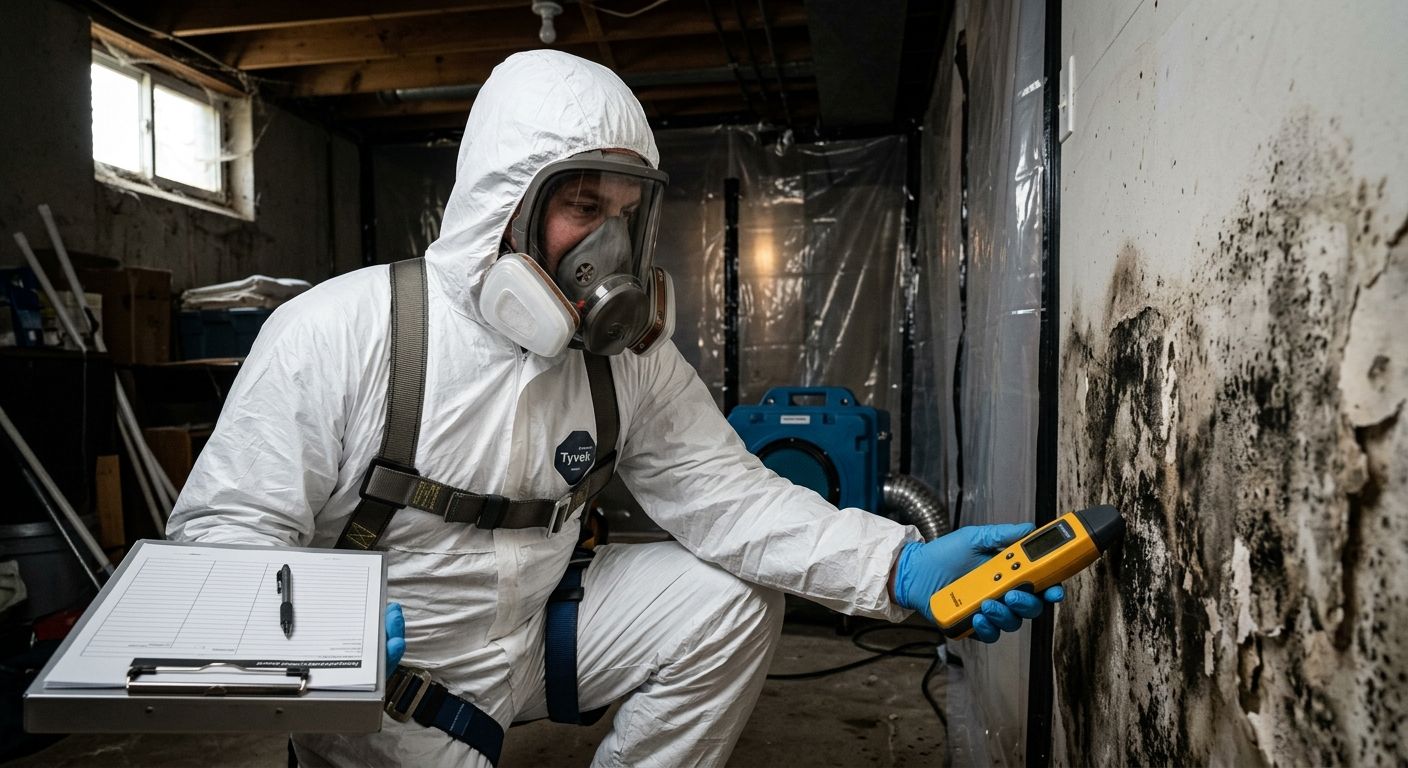
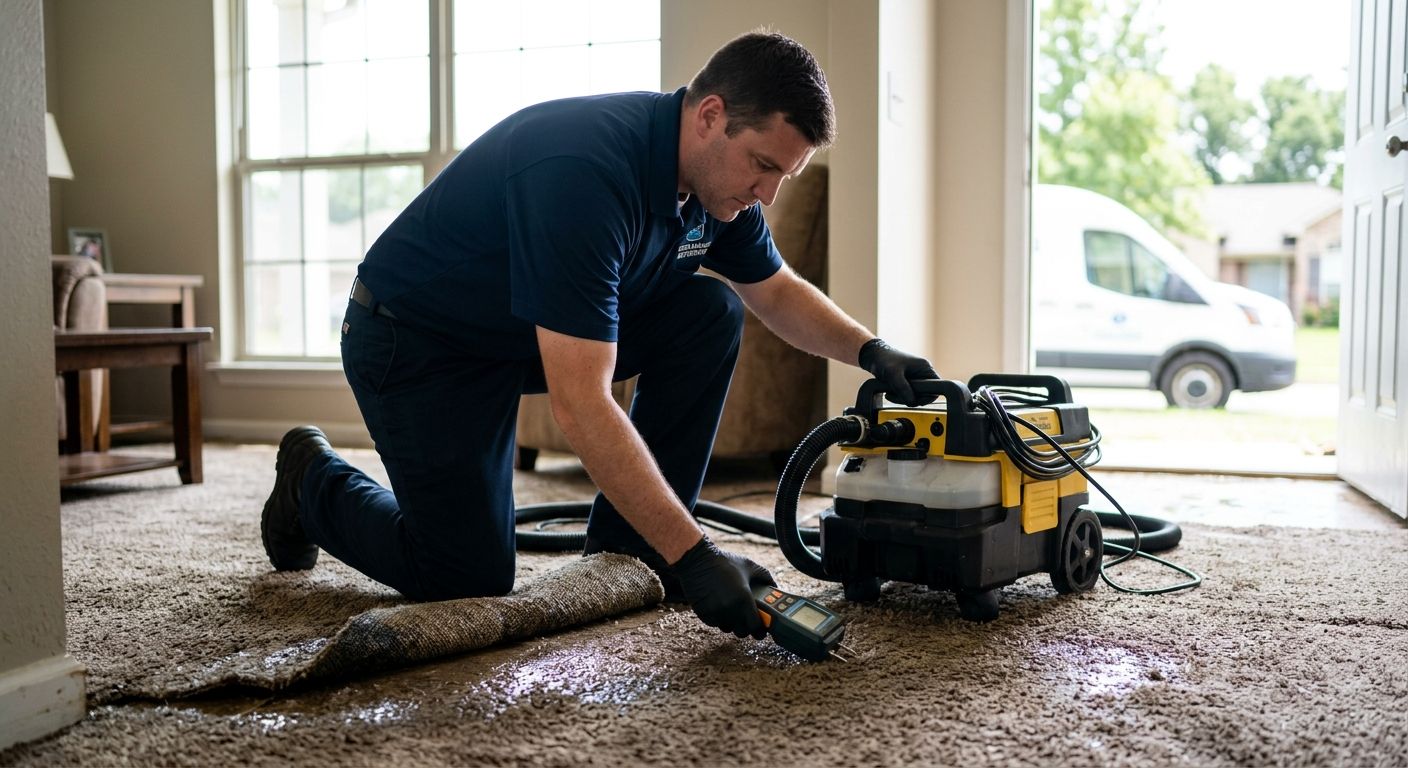
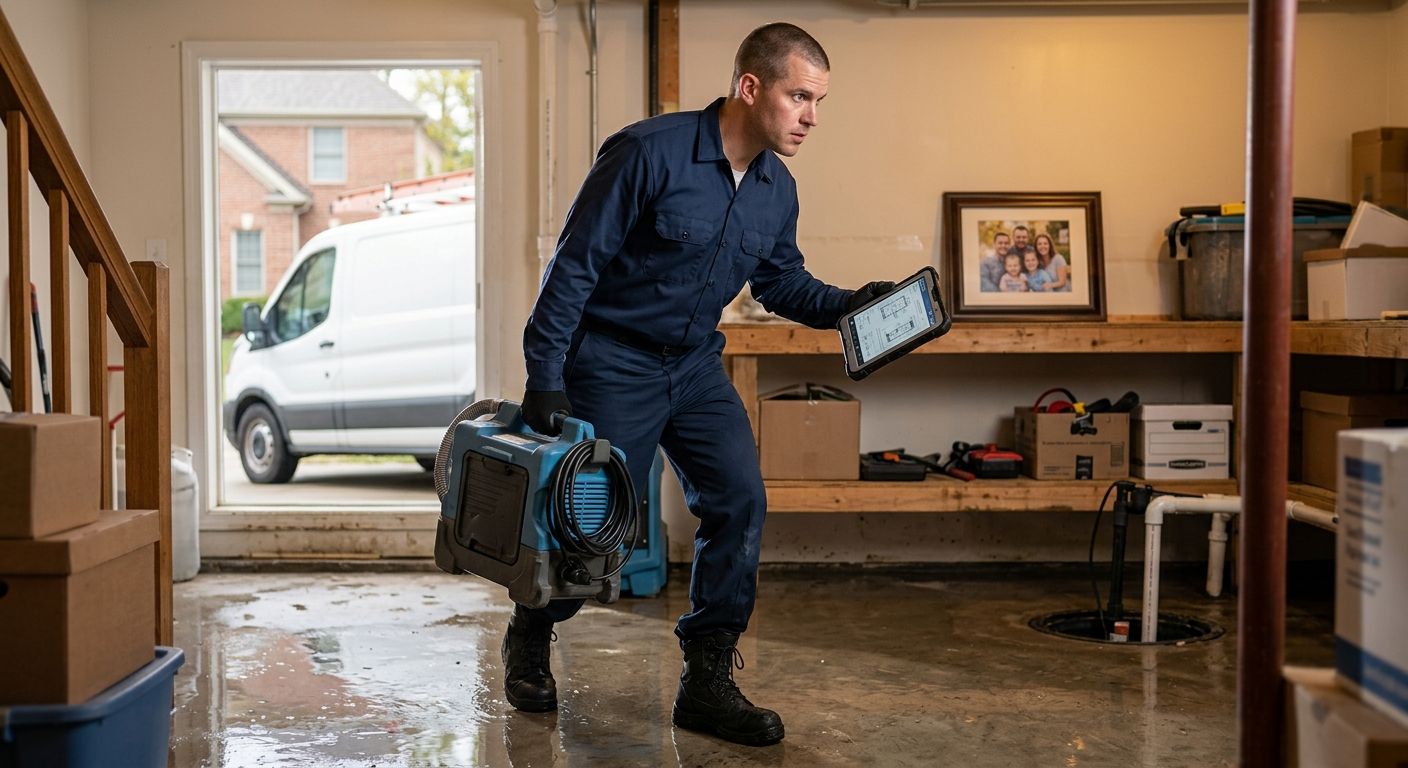
After the property is secure, our technicians remove soot using HEPA vacuums and chemical sponges. Acidic soot can begin to cause corrosion in hours. We also extract water, dry cavities with dehumidifiers, and neutralize smoke odors with thermal fogging and ozone.
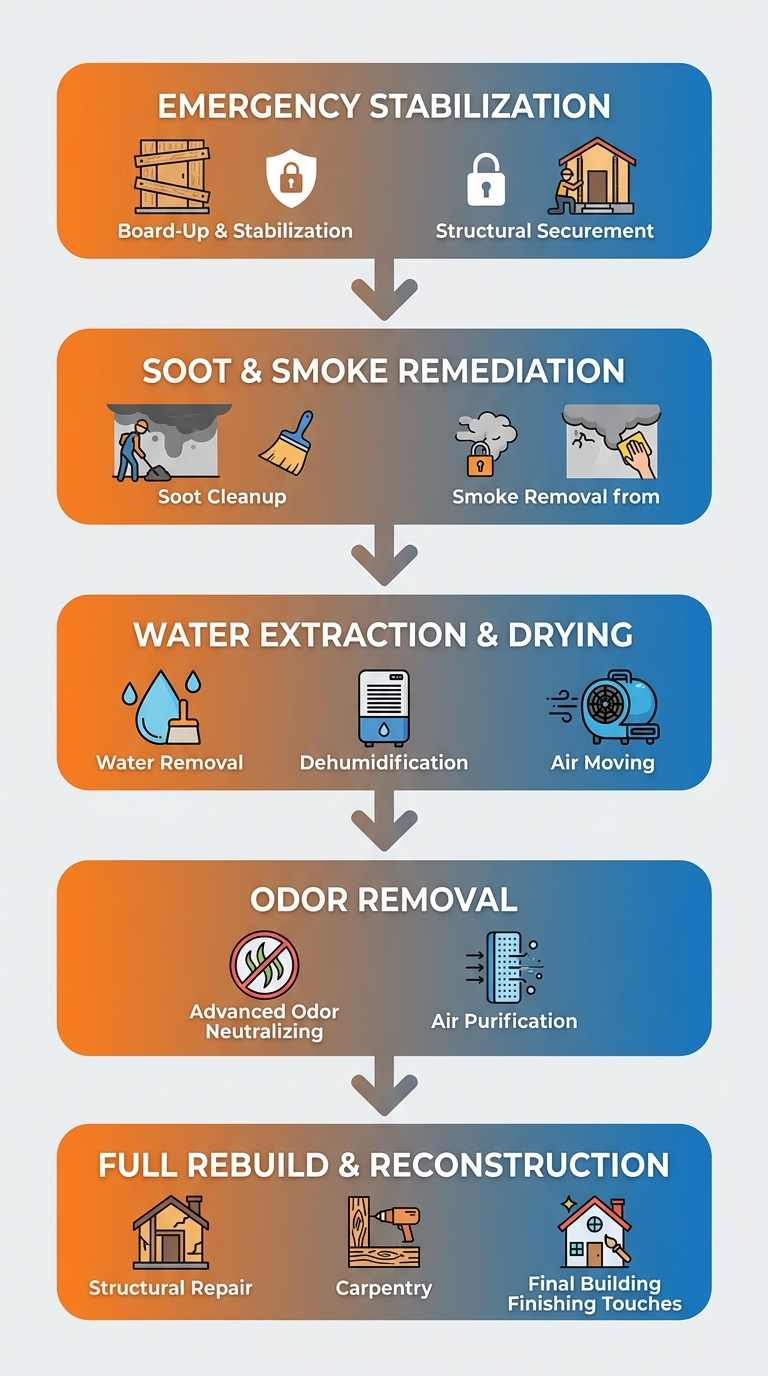
Once the property is dry, we rebuild, replacing damaged framing, drywall and flooring. We work with your adjuster to apply replacement-cost coverage. Every step is documented. We document every step with Xactimate scopes and photo inventories, producing insurer-friendly estimates that carriers like Shelter accept.
As a locally owned and operated business, we know the average and typical claim scenarios that impact the Fort Smith area, such as older housing and the humid climate. We align our business and calibrate each phase to Fort Smith's humid climate, older housing stock, and typical claim patterns so your recovery gains traction quickly.
Why Fort Smith’s Unique Factors Matter for Fire Restoration
While systematic, the restoration process must be flexible enough to adapt to conditions specific to Fort Smith. The 1312 Restoration team applies local knowledge across the Arkansas–Oklahoma border to tailor drying, cleaning, and deodorization to those conditions.
Natural conditions in and around Fort Smith lead to extended drying times, and make dehumidification cycles longer. Wildland smoke causes changes in the composition of soot, requiring different techniques for odor control. Older construction in Fort Smith built with brick, wood, and plaster often reacts unevenly to heat and smoke. We use gentler, material-specific cleaning and containment to address these challenges.
The same local conditions that affect the restoration process affect the restoration estimate. Because we are a family-owned and operated local business, we anticipate variables, document conditions clearly for insurers, and adjust scope and monitoring to deliver durable, insurance-ready results.
| Factor | Local Detail | Why It Matters for Restoration |
|---|---|---|
| Local Climate and Humidity | Fort Smith lies in a humid subtropical zone with hot summers and moderate winters. | Higher humidity slows structural drying and influences dehumidification choices. |
| Regional Fire Risks | Wildfire events occur in surrounding wooded areas of Arkansas and Oklahoma. | Wildland smoke and soot require outdoor odor mitigation and targeted cleaning. |
| Local Building Materials and Codes | Many older Fort Smith homes contain brick, wood, and plaster. | Materials respond differently to heat and smoke; restoration methods must be tailored. |
| Geographic Isolation | Fort Smith’s location near the Arkansas–Oklahoma border, away from major metro centers. | Logistics can affect equipment sourcing and response coordination. |
Understanding Fire Restoration and Smoke Remediation Costs
Local conditions impact costs and insurance coverage, the composition of soot (acidic or otherwise), and the scope of mitigation efforts.
| Restoration Service | Primary Cost Drivers | Possible Range Note |
|---|---|---|
| Full Structure Restoration | Extent of structural damage, number of stages | Varies by property square footage and severity of fire/water damage. |
| Smoke & Soot Remediation | Acidic soot presence, surface area affected, need for content cleaning | Depends on promptness of mitigation and materials involved. |
| Insurance-Claim Coordination | Coverage type (ACV vs. RCV), policy limits, deductible amount | Affects out-of-pocket costs; carrier typically reimburses after settlement. |
Fire Damage Restoration Timeline: What to Expect
The timeline for fire damage restoration is highly dependent on the insurance claims process. After the fire is reported and documented, the adjuster’s assessment and negotiation determine the next steps. For homeowners in Fort Smith AR, delays like lowball estimates or partial denials can extend the overall recovery schedule, according to insurance claim guidance from Daly & Black, P.C.
Frequently Asked Questions About Fire Damage Restoration
What does fire damage restoration involve?
After a fire, soot and water damage require complete restoration and rebuilding. Our fire damage restoration in Fort Smith, AR, includes board-up and water removal services as well as soot, which is corrosive and can damage metal. We also perform complete rebuilds. We work with your insurance provider from the first call.
How do I start the insurance claim process?
Let your insurance company know immediately about your loss and request an advance for temporary housing and essential items. We help document every loss and coordinate with adjusters. This allows you to focus on moving forward with confidence.
Heal Your Home and Move Forward
With these insights in mind, you can begin the next chapter, recovering your home and your peace of mind. Navigating fire damage claims means understanding key distinctions, and industry guidance from the Property Claims Authority highlights how coverage terms like replacement cost versus actual cash value directly shape your settlement, along with your responsibility to prevent further damage.
If you are facing fire damage restoration in Fort Smith, AR, our team is ready to help. From smoke cleanup to full reconstruction, we deliver comprehensive services. We coordinate with major carriers including Allstate, State Farm, and USAA to simplify your claim process, with final costs determined after an on-site assessment and insurer approval. Because every loss is different, individual results and timelines will depend on the extent of damage and local conditions. Our Privacy Policy is available for review at any time. Healing from fire loss is a challenging process, but moving forward is possible when you have professional support.