Table of Contents
Water Damage Restoration in Bentonville, Arkansas: Quick Answers
Water damage restoration in Bentonville, Arkansas involves rapid water extraction, structural drying, and targeted repairs to halt deterioration and prevent mold growth. This article explains what to expect from the restoration process and how to act fast. Knowing what to look for can help you act before the damage escalates.
Key Takeaways
- Learning the early signs of water damage is just as important as learning the basics.
- Once water damage is identified, our restoration process includes an emergency assessment to determine the extent of damage and categorize the water type: clean, gray, or black.
- Dry all wet materials within 48 to 72 hours, as mold can begin developing within a day of flooding.
- For water damage restoration in Bentonville, AR, property owners face unique challenges that demand both speed and local expertise.
- There are several factors that affect the cost of water damage restoration.
Recognizing Water Damage Warning Signs
Learning the early signs of water damage is just as important as learning the basics. Being able to recognize these signs can help identify potential problems.
- Water stains that appear on ceilings or walls
- Peeling or bubbling paint, especially near baseboards
- Warped, cupping, or buckling floorboards
- Musty, earthy odors
- Visible mold patches, discoloration, or fuzzy growth
Look for warning signs in places that are hidden or hard to get to, such as around appliances, in crawlspaces, basements, or other hard to reach areas. If you find several of these signs, you should probably call a restoration company to check things out. If you find these warning signs, the restoration process can start right away.
Our Comprehensive Water Damage Restoration Process
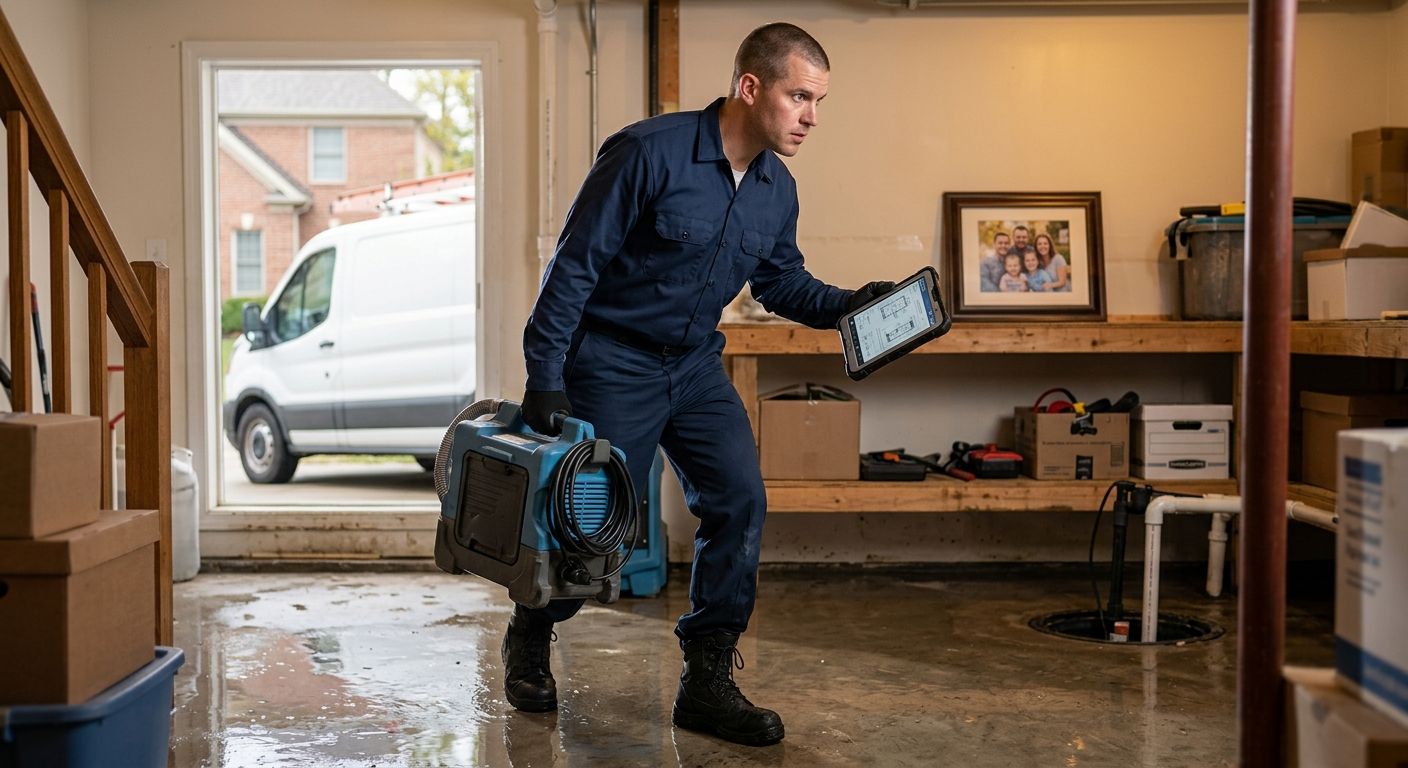
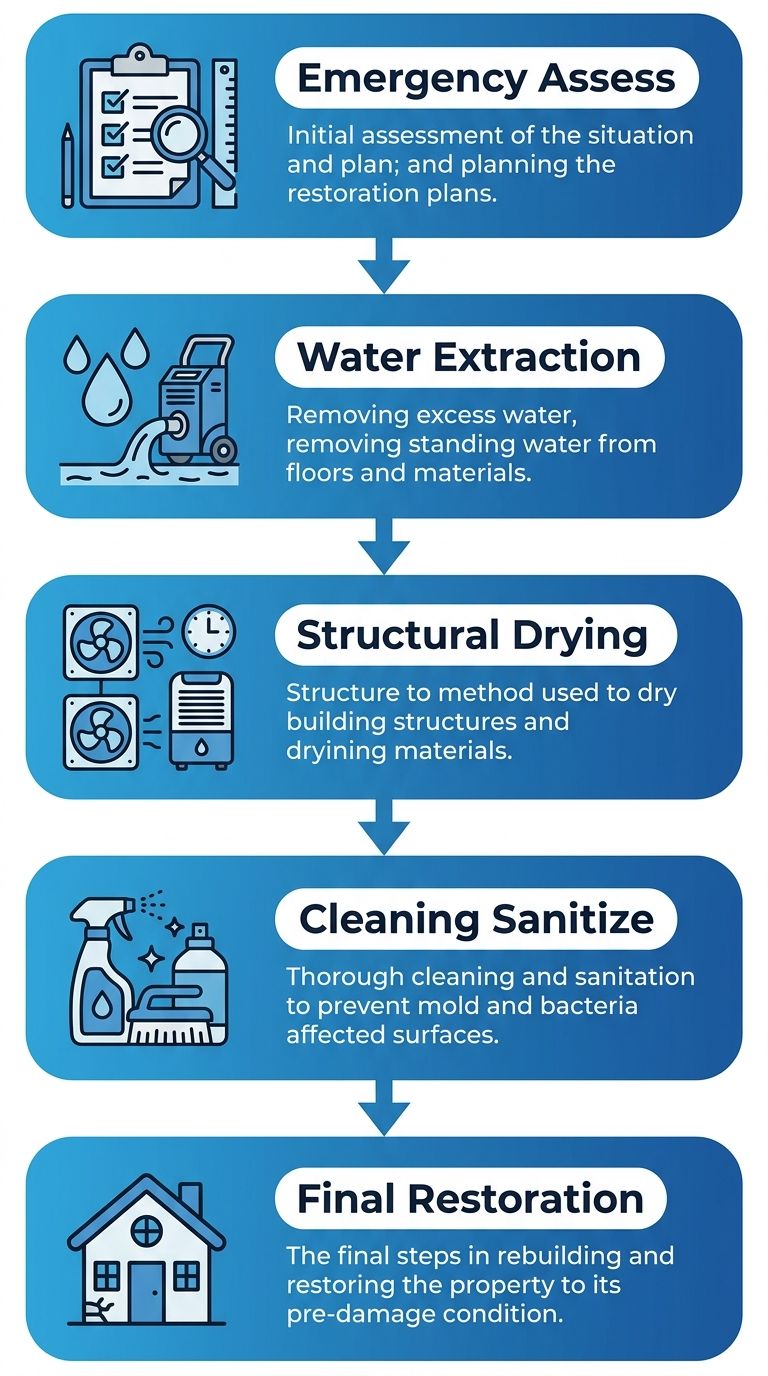
Once water damage is identified, our restoration process includes an emergency assessment to determine the extent of damage and categorize the water type: clean, gray, or black.
Water Extraction and Structural Drying
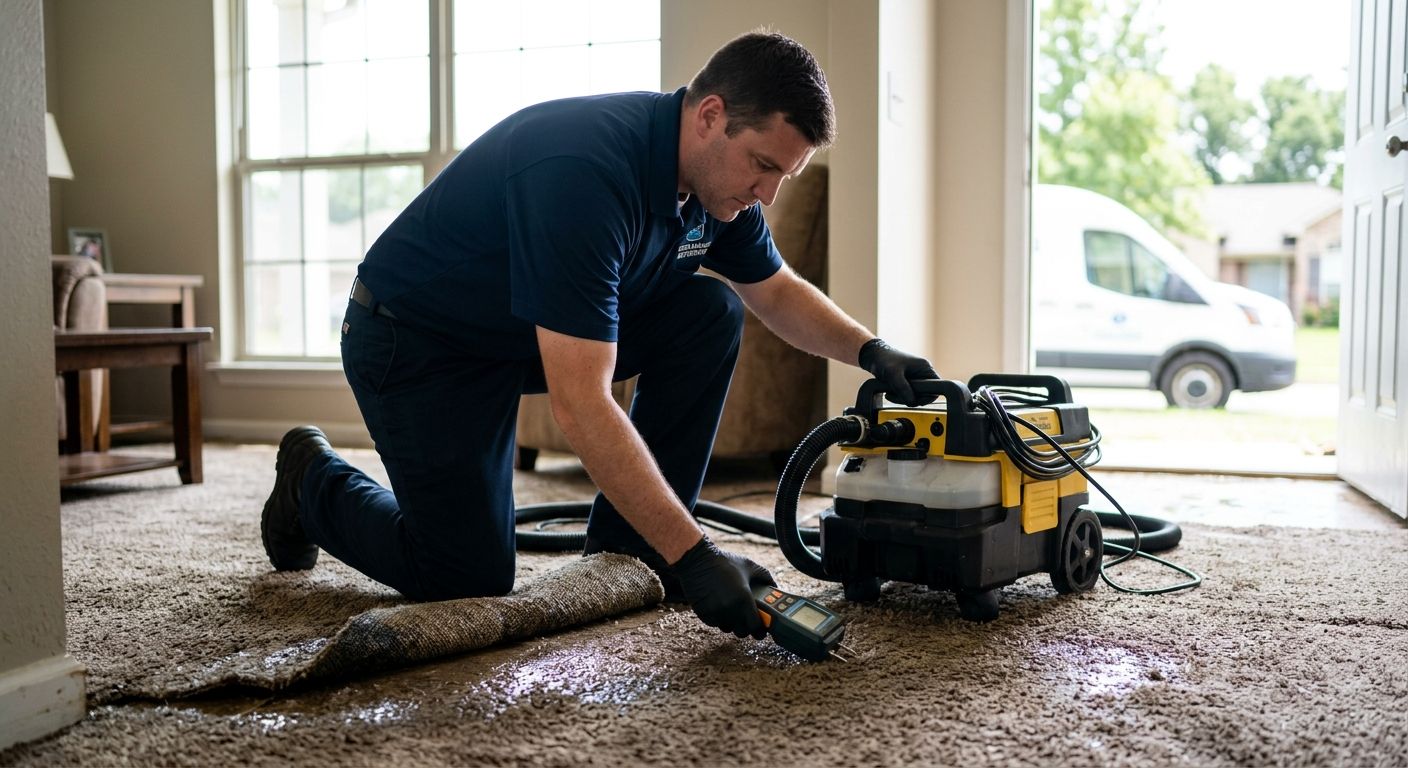
Next, our certified technicians use industrial pumps and vacuums to remove standing water, followed by structural drying and dehumidification. As recommended by the CDC, all wet materials need to be dried within 48 to 72 hours, and our technicians use N95 respirators while performing the cleaning.
Cleaning, Sanitization, and Odor Removal
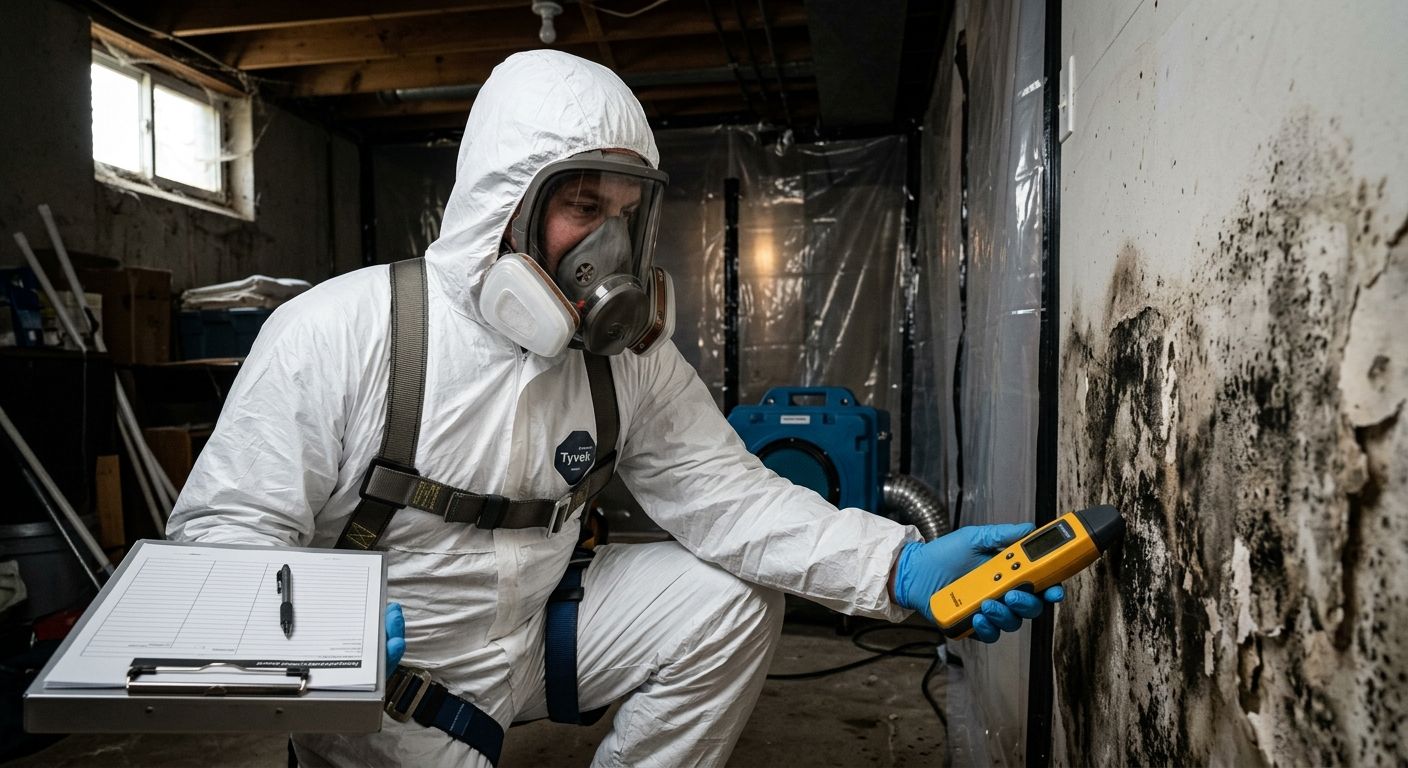
As per the CDC, if the mold-affected area is greater than 10 square feet, professional remediation services should be employed.
Final Restoration and Insurance Assistance
The final phase of restoration includes full repairs and/or rebuilds. Our team works hand-in-hand with the client's insurance company to help facilitate the process.
Choosing the Right Restoration Approach
Dry all wet materials within 48 to 72 hours, as mold can begin developing within a day of flooding. For small, non-porous surfaces, a solution of one cup of household bleach per gallon of water effectively disinfects; we caution never to mix bleach with ammonia. Any mold growth exceeding 10 square feet should be handled by professional mold remediation. Even for small jobs, we always advise wearing an N95 respirator to protect against airborne spores. Ultimately, the right choice depends on the extent of contamination, the materials involved, and local factors like Northwest Arkansas's humid climate and flood risk, which can turn a small patch into a larger problem faster than expected.
Water Damage Considerations in Northwest Arkansas
For water damage restoration in Bentonville, AR, property owners face unique challenges that demand both speed and local expertise. Our team at 1312 Restoration understands how Northwest Arkansas’s humid subtropical climate can turn a small leak into a serious threat within hours.
Moisture lingers in this region, accelerating mold growth and causing hidden damage behind walls and beneath flooring. We prioritize rapid water extraction and thorough structural drying to prevent secondary issues before they start. Crawl spaces, basements, and enclosed cavities often trap moisture long after visible water disappears, and our technicians know exactly where to look.
Local conditions require more than standard drying equipment. We apply region-specific strategies that account for Arkansas’s seasonal humidity and common building materials. These region-specific factors can directly influence the overall cost of restoration and recovery timeline for repairs.
Understanding Water Damage Restoration Costs
There are several factors that affect the cost of water damage restoration. Some of these factors include the category of water (i.e. clean, gray, or black), the extent of the damage, the type of building materials (i.e. drywall, flooring), personal contents, the drying time, and if reconstruction is needed. Restoration work typically covers extraction, structural drying, dehumidification, cleaning, and, if needed, rebuild or repair. We provide a free, on-site evaluation to assess these details and provide a transparent, accurate quote. Because these same variables affect drying and rebuild timelines, understanding cost helps set realistic completion expectations.
Restoration Timeline Expectations
It is important to understand the concept of the critical drying window in order to understand the timelines for water damage restoration. Mold can start to develop on wet materials within 48-72 hours, which is why we follow CDC guidelines to immediately start the drying process. In the case of affected areas bigger than 10 square feet, it is advised to hire professionals to make sure complete drying is carried out and mold is prevented.
Frequently Asked Questions About Water Damage Restoration
Homeowners often ask how to prevent mold after water damage.
How quickly must I dry my property?
The CDC recommends drying all wet materials within 48–72 hours to stop mold growth. Discard items that cannot be thoroughly dried.
What cleaning solution should I use on hard surfaces?
Mix one cup of household bleach with one gallon of water. Never combine bleach with ammonia—toxic fumes result.
When is professional mold remediation necessary?
If the affected area exceeds 10 square feet, professional water damage restoration is essential. Our certified team uses proper protective equipment and CDC-based methods to address larger contamination safely.
Frequently Asked Questions About Water Damage Restoration
How quickly can you respond to water damage emergencies in Bentonville AR?
1312 Restoration provides 24/7 rapid response for water damage emergencies. The team offers emergency extraction, structural drying, and immediate on-site mitigation for homes and businesses in Bentonville and across Northwest Arkansas.
Do you coordinate directly with insurance companies for water damage claims in Bentonville?
Yes, 1312 Restoration coordinates directly with insurance companies. The team works hand-in-hand with adjusters, accepts major carriers including Shelter, Allstate, State Farm, USAA, Farmers, and Safeco, and provides detailed documentation for claims.
What is the typical process for water damage restoration in Northwest Arkansas homes?
The typical process begins with an emergency assessment to categorize the water type, followed by water extraction with industrial pumps. Structural drying and dehumidification then dry all materials within 48–72 hours. Cleaning, sanitization, and odor removal come next, and final restoration includes repairs or full rebuilds coordinated with the insurer.
Does your restoration service include mold prevention after water damage?
Yes, 1312 Restoration includes mold prevention after water damage. The service uses structural drying and dehumidification to stop mold growth within the 48–72 hour window recommended by the CDC, and offers professional mold mitigation for affected areas larger than 10 square feet.
Are your water damage technicians certified for property restoration in Bentonville?
Yes, 1312 Restoration technicians are certified. The company states its team holds certifications and references IICRC standards along with NADCA standards for duct work, applying certified expertise to water damage restoration in Bentonville.
Get Prompt Water Damage Help Now
Call us for water damage restoration in Bentonville, AR. Estimates; consult insurer; on-site assessment required.